In the first of a new series designed to explain the ins and outs of electrical safety, we’re focusing on the humble fuse.
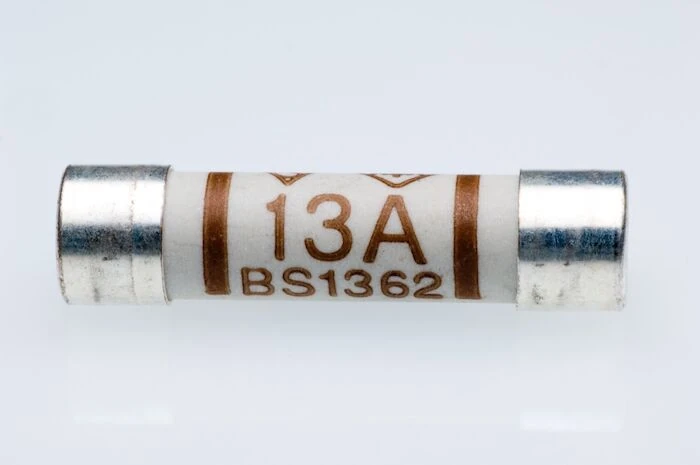
Fuses might be small in stature and as a result they might look insignificant, but in reality they play a crucial part in ensuring that your appliances and electrical circuits perform correctly and safely. As such they protect you, your staff and anyone using or visiting your premises from electrical shock and injury, so it’s important to understand what they are and their role in your electrical safety.
What is a fuse?
Fuses are basic safety devices that are used throughout electrical circuits to prevent harmful surges in current. Should your electrical installation experience an unexpected surge, the fuse will ‘blow’ and in doing so break the electrical circuit. As well as protecting the appliance in question, by blowing, the fuse will limit the risk of heat damage, shock and fire. Another name for this is ‘tripping a circuit’, and blown fuses need to be replaced immediately to ensure that the electrical installation continues to function correctly.
Are fuses and circuit breakers the same thing?
Fuses and circuit breakers both do similar things, in that they break an electrical circuit in the event of a surge or short circuit. There is, however, one important difference. When a fuse blows it cannot be re-used and must be replaced. In other words, it can only be employed once and should then be discarded. Fuses can be replaced easily and inexpensively, resulting in minimal downtime, but it’s vital to replace a blown fuse with one that’s appropriate for your appliance. There’s a level of complexity to fuses in that the rating will indicate the level of current that the fuse will permit before blowing, while the speed rating shows how long it will take the fuse to blow when an excess of current is experienced.
A circuit breaker, meanwhile, is effectively a switch, and that means that when it trips the switch can be reset and will then function correctly once again.
What is a fuse box?
A fuse box – also known as a control board panel, distribution board, breaker panel, fuse board, fuse panel or, in domestic properties, a consumer unit – is effectively a control panel for the electrical installation in your premises. The power that comes into the building is divided and routed into separate circuits by the fuse box, which is usually controlled by a central switch. The importance of the fuse board should not be underestimated as it will usually include at least one residual current device (RCD) that will instantly disconnect an electrical circuit to prevent shock or injury. It will also house a fuse or a circuit breaker for each of the individual electrical circuits.
MS Electrical offers PAT testing and fixed wire testing in Cambridge. Please call us on 01223 850301 or complete our enquiry form to request a no-obligation quotation.