Given that the overwhelming majority of homes in the United Kingdom have electricity, it’s inevitable that there will be a fuse box – or consumer unit – in the property.
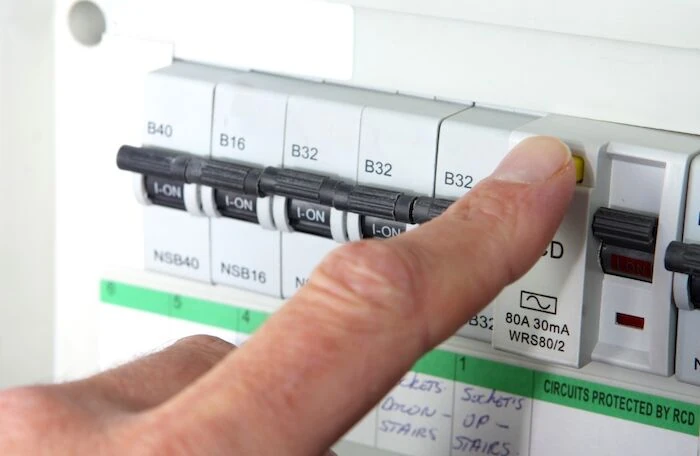
Every power line in the house comes from it, meaning that it’s a fundamental component of the electrical supply and, as such, it should be treated with respect. The safety of everyone occupying your home is intrinsically linked to the fuse box and how it functions, but in our experience homeowners, tenants and landlords rarely understand how often their fuse box should be checked and tested.
A malfunctioning fuse box will quickly come to your attention but – to observe the old adage that prevention is better than cure – at the very minimum it should be tested every ten years in your own home. Also, whenever a property changes hand, whether you’re the vendor or the buyer, it’s wise to request a fuse board test, and if you’re renting your property to tenants then the check should, legally, be carried out every five years.
If your fuse board is functioning correctly, there’s no compulsion to replace it. However, the older the fuse box the greater the chances that it won’t have an RCD, a device that breaks the electrical current should there be any form of overload. The absence of an RCD increases the risk of an electrical fire or shock and, therefore, the potential for injury or loss of life. It’s recommended to test the RCD every six months to reassure yourself that everything is in good order.
Older fuse boards were occasionally made from plastic, which is now deemed to be less safe than the fire-rated units that are now routinely installed. While a plastic unit may still function perfectly well, it’s advisable to upgrade to a fire-rated version because that will help to limit the spread of an electrical fire should one break out. In addition, many older consumer units were made from bakelite, whereas newer models will have a plain grey or white casing and a row of switches and a red isolation switch, along with at least two RCDs and a test button.
Should you decide to replace your consumer unit, that work will need – legally – to be carried out by a Part P qualified electrician in order to avoid putting anyone at risk. When the work’s completed, you’ll receive an electrical installation certificate and a Part P certificate with test results for your files.
MS Electrical specialise in fixed wire testing and PAT testing in Cambridge, so please contact us for advice or to request a no-obligation quotation.