With energy bills on the rise, there’s never been a better time to think about how to use less electricity, save money and at the same time improve your carbon footprint. Energy usage at home and in offices and commercial premises is a necessary evil, but the same principles apply across the board when it comes to cutting your consumption.
Check your bills
Understanding your energy bills can be a great start to reducing your usage, and your costs, so take a look and make sure that you’re on the best tariff and that you’re only being charged for what you actually use.
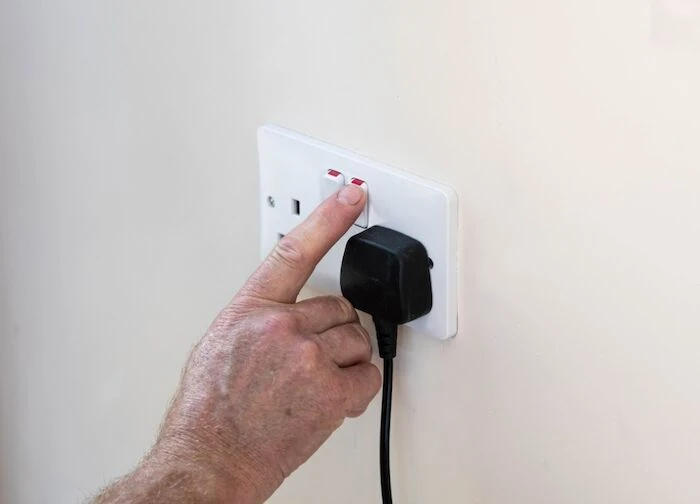
No more standby
Leaving appliances on standby is potentially the biggest mistake that everyone makes, as they assume that it’s effectively the same as switching them off. In fact, a machine on standby uses almost the same amount of electricity as one that’s switched on. Given that most appliances can be safely turned off when not in use, checking what’s on and what’s not can generate considerable savings over the course of a year.
Windows, doors and skirting boards
Checking that the seals around your windows and doors are sound can also help to keep your energy bills under control. Losing heat anywhere is likely to lead to you either turning up the heating or switching on electric heaters, so it’s best to prevent it escaping in the first place. One often overlooked area for loss of heat is under poorly fitted skirting boards, so they’re worth checking too.
Lighting
Leaving lights on is a common cause of higher than expected electricity bills so it’s good to get into the habit of turning them off when you leave a room. Swapping to LED lightbulbs can also generate a saving over time.
Washing and drying
It’s easy to load the washing machine and use the default setting without thinking, but reducing the wash temperature to 30 degrees will save you money, as will avoiding the tumble dryer and allowing your washing to dry naturally.
Showers and baths
If you can reduce the amount of time you spend in the shower you’ll cut your utility bills. Not only that, while soaking in a bath may feel like a well-deserved indulgence, it’s also likely to add to your bills, so why not switch to taking a shower instead?
Kettles
It’s probably used more than any other kitchen appliance, so when filling your kettle it’s advisable to ensure that you’re only boiling the amount of water you actually need.
Dishwashers
It’s tempting to run the dishwasher after every meal, but cutting back and only using it when there’s a full load will help to bring your electricity bills down. Not only that, you’ll also reduce your water consumption, which is beneficial for the environment.
Insulation
Insulating your water tank, pipes and radiators, as well as your loft space, will help to keep warmth in and reduce the amount you spend on heating. You may well have insulation already in place, but it’s worth checking to see whether a thicker alternative might do a better job.
Computers, printers and games consoles
Whether in the office or at home there’s a temptation to allow computers, laptops and games consoles to exist in sleep mode, and also to leave printers switched on. As well as not being ideal for the life of the equipment this can also use significant amounts of electricity, thus adding to your bills.
Mark Smith, owner of MS Electrical Services, believes that increasing everyone’s understanding of the implications of leaving appliances on standby, along with the other energy-saving measures we can all take, can only be of benefit as prices continue to rise. ‘As the world of work has changed during the pandemic, many more people are working remotely, either permanently or part time, so there’s potential for even heavier electricity usage at home,’ says Mark. ‘That’s why we’re keen to highlight ways in which everyone can reduce their consumption and avoid spending more on their bills. Many of the tips are simple and easy to implement as they’re more about lifestyle changes, so we hope that everyone will embrace them and save money.’
MS Electrical offer PAT testing and fixed wire testing in Cambridge, so please contact us for advice or to request a no-obligation quotation.