While it’s tempting to save money on appliance offers that seem too good to be true, the likelihood is that if the price seems hugely attractive, the manufacturers will have cut corners somewhere along the line. And while the product might look very similar to its expensive branded equivalents, there will probably be tell-tale signs that give away that all is not as it seems.
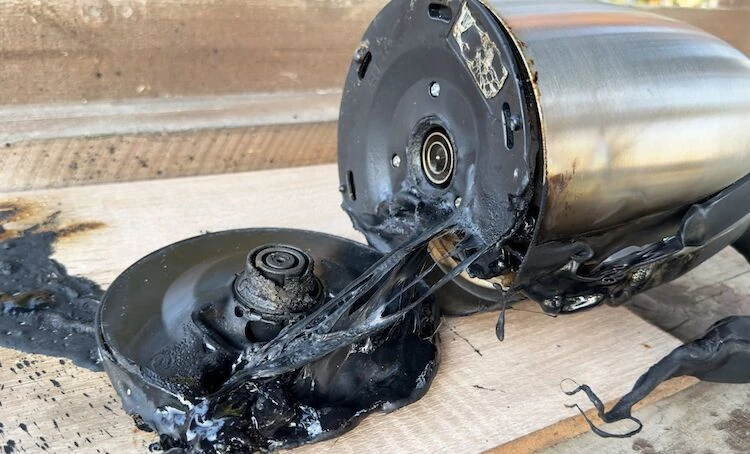
Fortunately, there are a number of ways to spot that an appliance is fake, and these include:
The seller
Where you buy appliances will have a huge effect on whether they’re genuine. Don’t be tempted to buy from markets, car boot sales or online marketplaces and retailers with no apparent track record, registered address or genuine reviews. Consider how the product is displayed in store, or how it’s photographed and described online. Is the packaging pristine and undamaged, and are all the labels crisp and clear? Are there published channels of communication with the Customer Service team, and what’s the company’s returns policy?
The overall product quality
Fake appliances will usually have been made in a non-compliant factory and typical signs of inauthenticity include that they feel light, rattle or – in the case of kettles, for example – fail to maintain their temperature. If you have any concerns about the build quality, choose an alternative. Also, take a look at the packaging and if it has lots of unusual language and/or spelling mistakes, the chances are that the product isn’t legitimate. One key indicator that the appliance is counterfeit is the power cord, which may be poorly moulded or display signs of wear and tear.
Quality marks and product information
The presence of a quality mark – such as the UKCA mark – will be reassuring, while its absence should raise alarms immediately. Fake appliances will either not have been tested or will be marked with fraudulent logos. All legitimate products will also have a credible model number and serial number, while the manufacturer’s contact details and warranty information will be clearly displayed and covered in the user manual.
For Mark Smith, owner of MS Electrical Services, when it comes to appliance safety the advice is clear. ‘Before committing to any purchase from a brand you don’t recognise we recommend researching the company online and comparing the physical product to that displayed on their website,’ says Mark. ‘Check that the serial number exists and can be traced to the manufacturer and always err on the side of caution. It’s great to get a fantastic deal, but not at the risk of injury and even death, so always buy from a trusted source, even if it costs a little more. And if you do fall foul of a fake appliance, contact the seller immediately to demand a refund before reporting them to Trading Standards.’
At MS Electrical we offer PAT testing, fixed wire testing and EICRs in Cambridge. To request a no-obligation quotation please call us on 01223 850301 or complete our enquiry form.