The potential dangers of electricity are well documented in that it can lead to death or injury and can cause damage to property. However, with even the simplest of precautions, electricity, electrical equipment and portable appliances can be used safely both at home and at work.
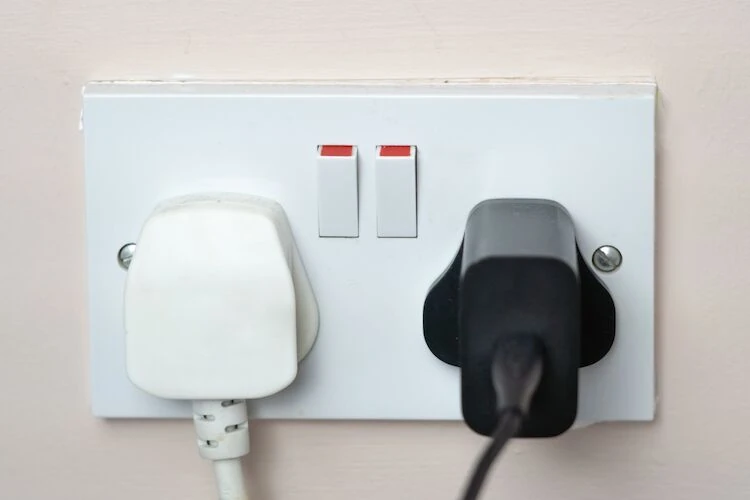
The most common hazards associated with working with electricity include:
- electric shocks: these can arise from coming into contact with electricity through live parts
- burns: these can commonly be experienced due to basic errors such as the incorrect wiring of a plug
- arcing injuries: these can be caused when electrical current jumps from one circuit to another
- electrical fires: equipment or installations that are faulty or poorly maintained have the potential to ignite, with devastating consequences
- explosions: electrical equipment that is unsuitable can explode, and the outcomes can be fatal
- static electricity fires: poorly maintained equipment can cause flammable vapours or dusts to ignite
- falls from height: should an electric shock occur, this can result in physical injury, especially when working on ladders or scaffolding
Responsible business owners and landlords have a duty of care to ensure that an assessment has been made of any electrical hazards within their premises, including:
- who is at risk of injury
- the level of risk and how it’s been set
- the precautions that have been put in place to mitigate the identified risk
Any risk assessment should evaluate the type of electrical equipment being used, how it’s being used and the environment in which it’s being used. And there needs to be confirmation that both the electrical installation and the electrical equipment are:
- appropriate for use
- suitable for the conditions they’ll be deployed in, especially if water is in close proximity
- used only for that specific purpose
All fuses and circuit-breakers should have the correct rating for the circuit they’re protecting, while fuse box cases should be closed, or even locked. Cables, plugs and sockets should be robust and suitably protected against the environment in which they’re located. And machinery should have adequate switches or isolators to cut the power should an incident arise. A culture of ‘safety first’ should prevail, meaning that all electrical equipment should be maintained and inspected on a regular basis. Users should check their equipment prior to using it and shouldn’t use it if:
- the plug is damaged
- the cable is frayed or hasn’t been adequately repaired
- any burn marks or stains are visible
Portable items that are frequently moved will benefit from more regular inspections, and any repairs should be carried out by a competent and qualified person. Fixed installations, meanwhile, should be inspected and tested to reduce the risk of any deterioration that may result in injury. This should include circuits from the meter and consumer unit that deliver current to light switches, sockets and all equipment that is wired in. Sufficient sockets should be available to users, and the overloading of sockets and extension cables should be avoided at all times. Finally, an RCD (Residual Current Device) will provide a barrier between the electrical supply and each item of equipment, and will activate should a dangerous situation occur.
MS Electrical specialise in fixed wire testing and PAT testing in Cambridge, so please contact us for advice or to request a no-obligation quotation.