Ask any business owner about regulations and they’re likely to say that they’re knee deep in red tape, or at least that that’s how it feels. While compliance in some areas can seem daunting, ensuring that you provide a safe environment for your staff, visitors, customers and suppliers can be just a telephone call away.
In reality, there is no formal legal requirement for businesses to carry out electrical safety testing, but it is mandatory to ensure that all electrical equipment used on site and by your employees is safe. This can be achieved with annual PAT testing.
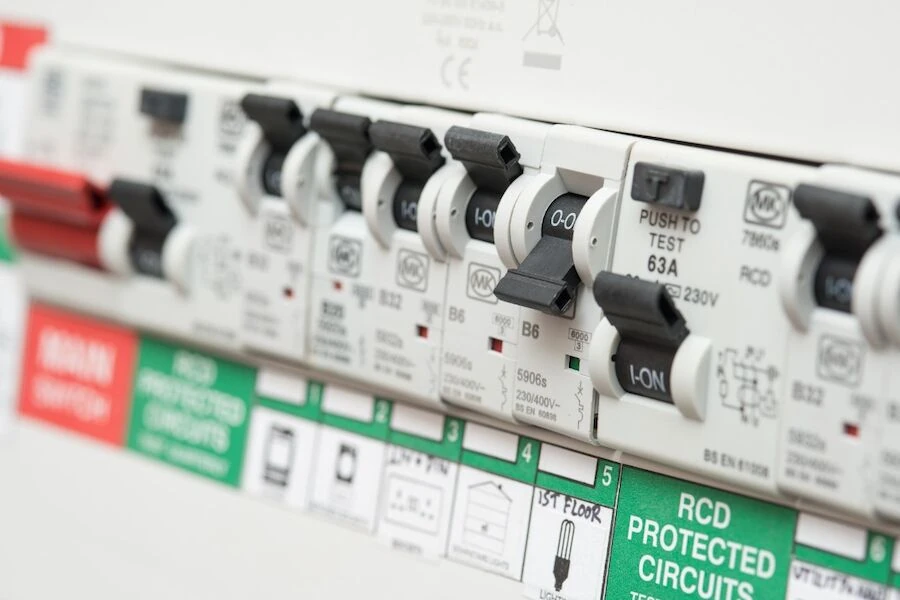
It has been said that electricity is lazy, because it’ll always always find the easiest path to earth, and faults within any electrical installation can go unnoticed unless regular testing is undertaken. And should an additional fault arise, the risk of fire, electrocution, injury and even death is increased.
The Electricity at Work Regulations date back to 1989 and they stipulate that electrical systems must be maintained safely, and that electrical tools utilised by construction workers must be safe to use, as must any tools hired out to customers.
Within the workplace, the requirement is that all employers take suitable steps to reduce the risk of harm and injury from electricity and electrical systems, which covers both the electrical installations and the portable appliances. Most electrical equipment operating between 50 volts and 1,000 volts AC or between 75 volts and 1,500 volts DC – whether it’s consumer, commercial or industrial – falls into this category.
Regular electrical safety testing will help to identify any faults that exist, where they’re located and the solution that’s recommended. Insurance companies are also tending to insist that electrical safety testing is carried out regularly as they will not pay out if an avoidable accident occurs, as that will technically be a criminal offence.
The IEE recommend that domestic electrical installations are tested every ten years, commercial every five years and industrial every three years, while Portable Appliance Testing should be undertaken annually.
As Mark Smith, owner of MS Electrical Services, explains, it’s important to do your homework when choosing the contractor to carry out your electrical safety testing. ‘There are several things to consider when considering which contractor to engage, not least because fixed wire testing and PAT testing are central to your Health & Safety strategy,’ comments Mark. ‘Always ensure that your preferred contractor is fully accredited and – from a practical point of view – it’s worth ensuring that they will work with you to minimise disruption to your day-to-day operations. Above all, however, check that they’ll provide a comprehensive testing report for your files, along with a detailed list of remedial work required to fix any errors. Here at MS Electrical these aspects are all built into our service, and we also email a reminder one month before your testing is due for renewal to ask if we can schedule a re-test visit.’
At MS Electrical we offer PAT testing and fixed wire testing for landlords in and around Cambridge. Should you have any concerns about your electrical safety, please contact us for advice or to request a no-obligation quotation.