Whether you run a business, a charity or an educational establishment, it’s recommended that you appoint an Electrical Duty Holder. Clearly, if you’re a small company that’s likely to be you as the business owner, but in a larger organisation the role of Electrical Duty Holder can frequently fall within the remit of the Health & Safety Manager.
An Electrical Duty Holder is usually responsible for a number of tasks relating to Health & Safety, which can include:
- identifying any risks to general Health & Safety
- carrying out risk assessments as required
- implementing and managing the Health & Safety of the building that the business occupies
- monitoring and reporting on any Health & Safety issues
- keeping detailed records of any work carried out
- managing electrical safety
In the area of electrical safety, it’s the duty of an Electrical Duty Holder to ensure that all items of electrical equipment within the business are safe to use. This may include business machines such as computers, printers and photocopiers as well as appliances such as kettles, fridges and microwaves. It’s a legal requirement that business owners keep all machines and appliances in good working order to ensure that anyone using them is protected from the risk of injury.
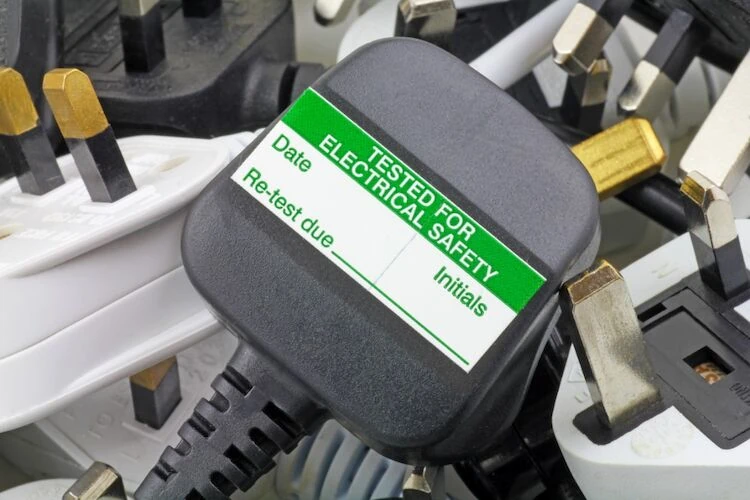
The best way to make sure that electrical safety is maintained is to have an annual PAT test, during which every machine and appliance will be checked and either approved or failed. Approved items are clearly safe to use, while failed items will need to be repaired or replaced.
Arranging the PAT testing and acting on the results are the overall responsibility of the Electrical Duty Holder, even if the task is delegated to another member of staff. Electrical Duty Holders themselves don’t need to have any electrical knowledge – they simply need to ensure that testing is carried out on time and that the results are acted upon.
At MS Electrical we offer PAT testing in Cambridge. Please contact us for advice or to request a no-obligation quotation.