PAT testing is an effective way of identifying electrical appliances that may no longer be safe to use. But what actually happens if a piece of equipment fails its test?
A failed PAT test does not necessarily mean that an appliance has reached the end of its life. However, it does mean that a potential safety issue has been identified and the equipment should not simply continue to be used as normal.
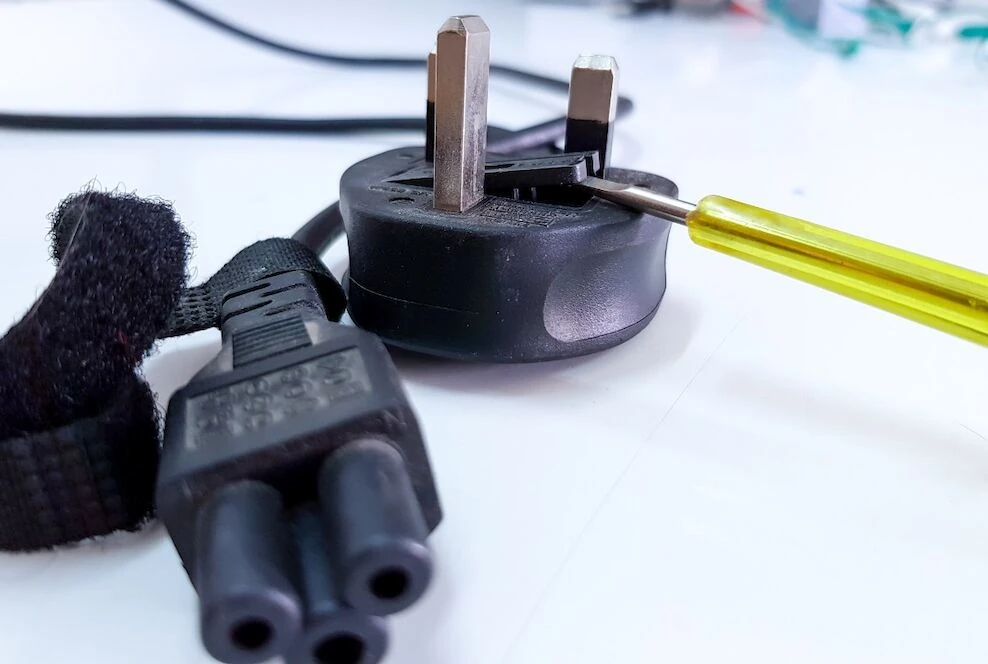
Why might an appliance fail?
A PAT test combines a visual inspection with electrical testing where appropriate. There are a number of reasons why an appliance might fail, including:
- A damaged plug or cable
- Incorrect or damaged fuses
- Exposed wiring
- Damage to the appliance casing
- Problems identified during electrical testing
Some faults may be immediately visible, while others can only be identified through testing.
What happens next?
If an appliance fails, the fault should be recorded so that appropriate action can be taken. Depending on the nature of the problem, it may be possible for the appliance to be repaired before being inspected and tested again.
In other cases, particularly where an appliance is badly damaged or uneconomical to repair, replacing it may be the safest and most practical option.
The important thing is that failed equipment is not returned to normal use until it has been made safe.
Don’t ignore failed equipment
It can be tempting to overlook a damaged appliance if it still appears to work, particularly in a busy workplace. However, an appliance functioning normally does not necessarily mean that it is electrically safe.
Regular inspection and testing can help businesses identify problems before they result in electric shock, fire or damage to equipment.
MS Electrical Services specialises in PAT testing for businesses and organisations in Cambridge. Our experienced team can inspect and test your electrical equipment, clearly identify any failures and help you understand what action needs to be taken next. Call us on 01223 258968 or complete our enquiry form to request a no-obligation quotation.