A residual current device - most commonly referred to as an RCD - is designed to save lives by ensuring that anyone who touches something live, such as a bare wire, does not receive an electric shock that could prove fatal. An RCD will offer a level of protection that goes beyond a standard fuse or circuit breaker and can be worth its weight in gold in preventing electrocution or fire.
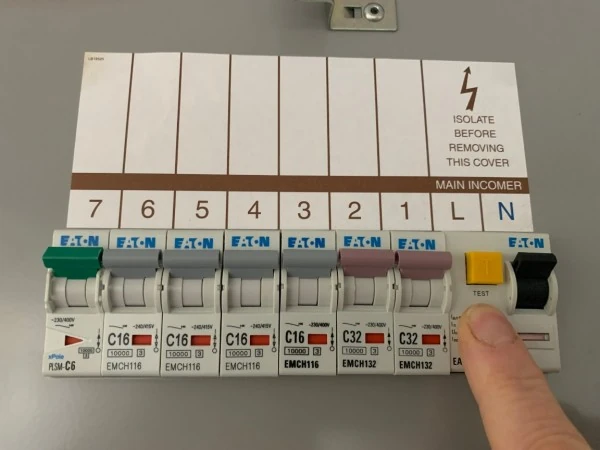
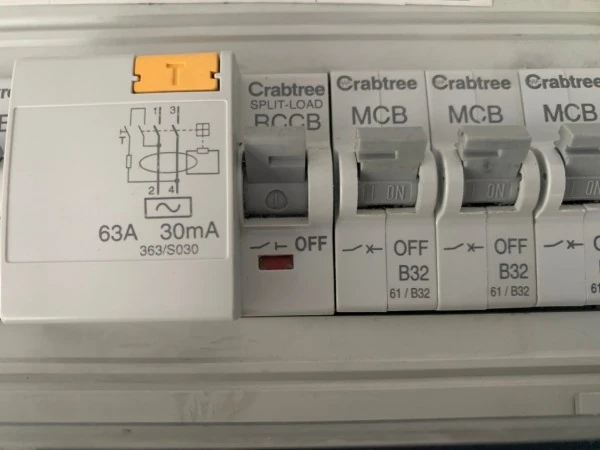
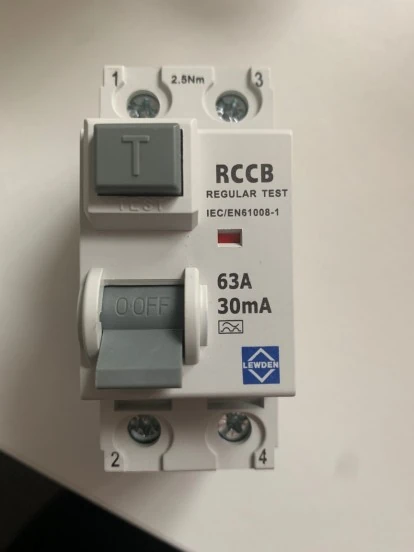
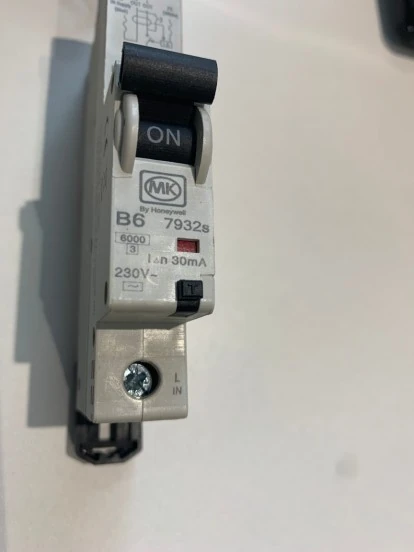
An RCD works by monitoring the electric current that flows through the circuit(s) that it is in place to protect. If it detects that electricity is being channelled through an unintended path, such as a human being who has touched an exposed wire, the RCD intervenes to switch the circuit off immediately, thus reducing the likelihood of serious injury or even death.
There are three types of RCD: fixed, socket-outlet and portable. A fixed RCD will be prominently situated in your consumer unit and can offer protection to single or multiple circuits, along with the wiring, sockets and appliances that are connected to it. A socket-outlet RCD will be housed in a special socket-outlet and will offer protection only to the person in contact with equipment, including its lead, which is plugged into the special socket-outlet. A portable RCD will plug into any standard socket-outlet, enabling any appliance to be plugged into the RCD. This type of RCD also only protects the person in contact with the equipment, including its lead, which is plugged into the portable RCD.
As Mark Smith, owner of MS Electrical Services, observes, RCDs are a vital safety mechanism, but they do need to be tested regularly. ‘Statistics indicate that RCDs are around 97% reliable, and this improves even further if they are tested on a regular basis,’ comments Mark. ‘We recommend testing all RCDs at least every six months as they are crucial to protecting your employees, visitors and suppliers at work, and your family and friends at home. The RCD should be labelled ‘TEST’ or ’T’ and will be prominent in the consumer unit. When you hit the TEST button, the RCD should cut the electrical circuit immediately. If it doesn’t, then it’s advisable to book a fixed wire test as there’s a chance that the circuit itself has a fault. We specialise in keeping electrical safety in check and would urge everyone - whether at work or at home - to build regular RCD testing into their routine as it could be fundamental in saving someone’s life or preventing a serious fire. In addition, a fixed wire test every ten years along with annual PAT testing will also help to keep everyone safe.’
At MS Electrical we specialise in keeping electrical safety in check by offering PAT testing and fixed wire testing in Cambridge. Should you have any concerns about your electrical safety please contact us for advice or to request a no-obligation quotation.