Electricity is virtually unique in that you can’t see it or smell it – and in most cases you can’t even hear it – yet it can be one of the most dangerous things around, especially if it’s not treated with respect.
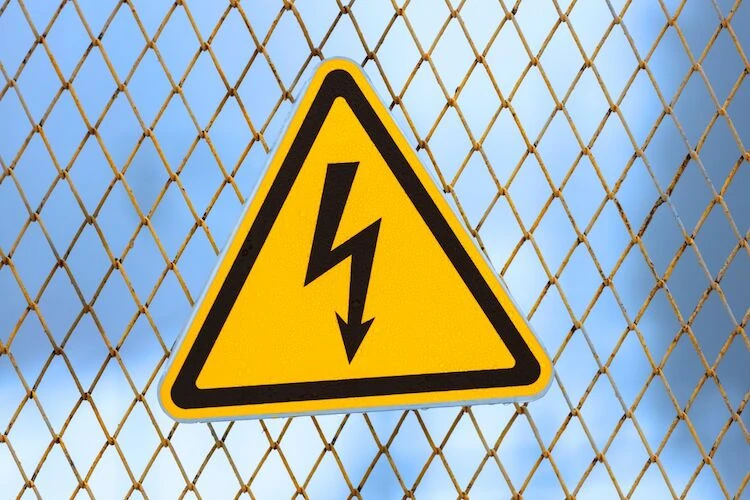
Managing this hazardous energy is of critical importance for business owners in order to ensure that anyone using your premises can do so safely and with confidence. In fact, it's not exaggerating to state that the wellbeing of staff, visitors and suppliers largely relies on you having an effective electrical safety strategy in place. This will include regular PAT testing for your appliances and fixed wire testing for your electrical installation.
Put simply, electrical safety matters because it helps you avoid the two main hazards that can occur: an electric shock and an arc flash. And put yet more simply, either of these two occurrences can result in serious injury, destruction of property and possibly even death. Statistically, the chances of this happening are relatively low, but as a responsible business owner it’s important to take all reasonable steps to reduce the risks.
While an electric shock can be fatal, its lesser side effects can include:
- A cardiac arrest caused by the heart’s exposure to electrical current
- Damage to muscles, nerves and tissue due to a current flowing through the body
- Burns to the skin from contact with the electrical source
- Fainting or collapsing after coming into contact with the current
An arc Flash, meanwhile, can cause the following:
- Burning as a result of the arc’s high temperatures
- Blindness caused by the arc’s bright ultra-violet light
- Hearing loss from the pressure created by the blast
The importance of electrical safety for businesses is underscored by the legislation that surrounds it, with the three key regulations being:
- Health and Safety at Work Act
- Electricity at Work Regulations
- Management of Health & Safety at Work Regulations 1999
Given this, businesses will ideally create an Electrical Safety Management System which will include rules around training, auditing and ongoing compliance. It will also outline instructions around best practice and the permit arrangements for working with electricity. The requirements here will depend on the size and nature of the business, but it’s useful to itemise everything so that there are no misunderstandings and – worst case – accidents.
To ensure that responsibility is taken for electrical safety it can also be helpful to have a hierarchy of electrical safety roles – which might include a Senior Authorised Person, an Authorised Person and a Competent Person – with their responsibilities clearly defined.
MS Electrical specialise in PAT testing and fixed wire testing in Cambridge. Please call us on 01223 850301 or complete our enquiry form to request a no-obligation quotation.